
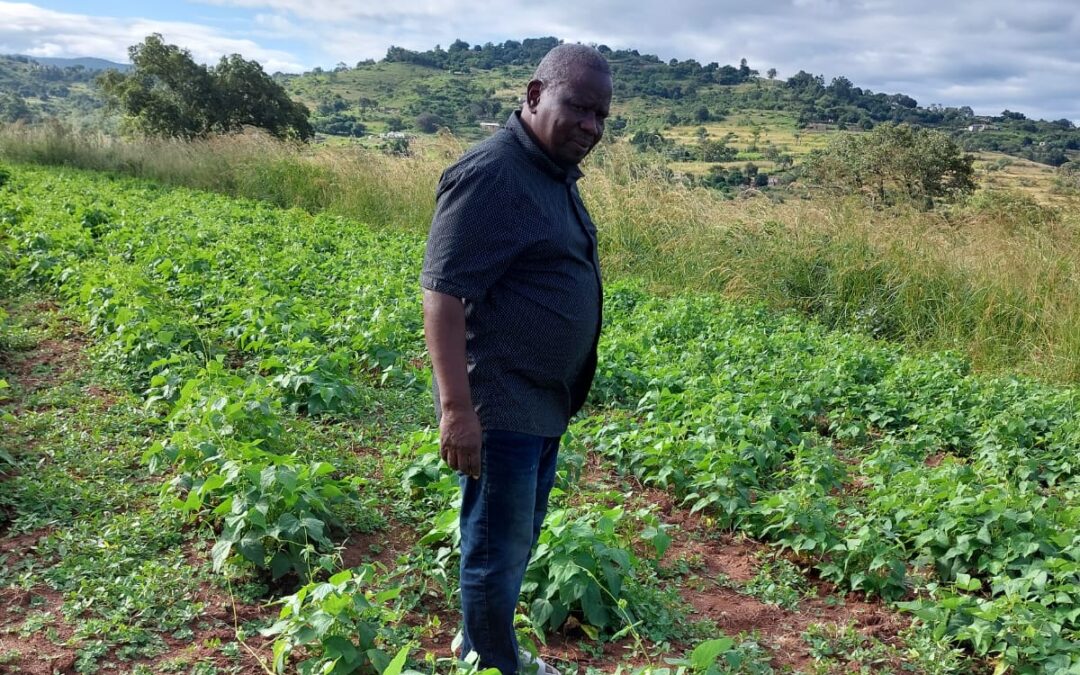
Food insecurity. Unemployment. Rising costs. These challenges face too many households in Eswatini. But what if your family could produce its own food, generate its own income, and thrive regardless of economic conditions?
At Qadash 4 Dominion, we’ve spent years helping young people build self-sustaining households and productive communities. Through our training programs, we’ve identified the seven essential skills that transform families from vulnerable to thriving.
Whether you’re a young person starting out or a household head seeking stability, this guide will show you the practical path to self-sustainability.
What Does “Self-Sustaining” Really Mean?
A self-sustaining household is one that:
✓ Produces most of its own food throughout the year
✓ Generates reliable income from skills-based activities
✓ Reduces dependence on external employment
✓ Builds assets that grow in value over time
✓ Contributes positively to the wider community
Self-sustainability doesn’t mean living in isolation—it means having the skills and resources to meet your family’s needs while being an active, productive community member.
The 7 Essential Skills for Self-Sustaining Households
1. Food Production: Crop Farming
Why It Matters:
Food security starts with growing your own staples. A well-managed home garden can provide vegetables year-round and reduce grocery costs by 40-60%.
What You Need to Learn:
- Soil preparation and composting techniques
- Seasonal planting calendars for Eswatini’s climate
- Water conservation and simple irrigation methods
- Organic pest control without expensive chemicals
- Crop rotation to maintain soil health
- Food preservation for year-round availability
Getting Started: Start small with a 5m x 5m plot. Focus on high-yield, staple crops like:
- Maize (for household consumption)
- Beans (protein source)
- Sweet potatoes (calories and nutrition)
- Leafy greens (vitamins)
- Tomatoes (income and household use)
Pro Tip: Even in urban areas, container gardening and vertical gardens can produce significant food. At Qadash 4 Dominion, we teach space-efficient techniques that work anywhere.
2. Protein Production: Livestock & Poultry
Why It Matters:
Protein is expensive to buy but affordable to produce. Small-scale livestock provides meat, eggs, milk, and income.
Best Options for Beginners:
Chickens (Layers)
- Low startup cost (E2,000-E5,000)
- Quick returns (eggs within 5 months)
- Market: Always in demand
- Space: Can start in a small backyard
Chickens (Broilers)
- Higher profit margins
- 6-8 week production cycle
- Growing market in Eswatini
- Requires more management
Goats
- Drought-resistant
- Minimal infrastructure needed
- Multiple income streams (meat, milk, breeding)
- Cultural significance in Eswatini
What You’ll Learn at Our Centre:
- Housing construction using affordable materials
- Feeding strategies that minimize costs
- Disease prevention and basic veterinary care
- Breeding programs for continuous production
- Marketing and business planning
Reality Check: Start with 20-50 chickens or 3-5 goats. Learn the basics, prove profitability, then scale up.
3. Income Generation: Trade Skills
Why It Matters:
While agriculture feeds your family, trade skills generate cash income for school fees, medical care, and business reinvestment.
High-Demand Trade Skills in Eswatini:
Electrical Installation
- Every building needs electrical services
- Renewable energy (solar) is growing
- Average income: E500-E1,500 per job
- Can work part-time or full-time
Carpentry & Woodwork
- Furniture always needed
- Low competition in rural areas
- Can start with basic tools
- Average income: E800-E2,000 per piece
Sewing & Tailoring
- Low startup costs
- Work from home
- School uniforms are always in demand
- Can specialize in traditional or modern clothing
The Qadash Difference: We teach not just the technical skills but also pricing, customer service, and business management—the things that separate hobbyists from successful entrepreneurs.
4. Value Addition: Preservation & Processing
Why It Matters:
Fresh produce has a short shelf life and low prices at harvest time. Processing extends shelf life and increases profit margins by 200-400%.
Skills to Master:
Food Preservation
- Drying fruits and vegetables
- Making jams and preserves
- Pickling and fermentation
- Proper storage techniques
Value-Added Products:
- Peanut butter from groundnuts (300% markup)
- Dried mangoes and vegetables (year-round sales)
- Honey processing and packaging
- Fruit juices and concentrates
Example: Fresh tomatoes sell for E5/kg in peak season but E20/kg in off-season. Preserved tomato relish sells for E35-E45/jar year-round.
5. Digital & Financial Literacy
Why It Matters:
In 2025, even small farms need digital skills. Mobile money, online marketing, and basic computing multiply your opportunities.
Essential Digital Skills:
Computer Basics
- Word processing for record-keeping
- Spreadsheets for financial tracking
- Internet research for market prices
- Email communication with buyers
Social Media Marketing
- Facebook/WhatsApp business pages
- Posting product photos and prices
- Building customer relationships
- Reaching urban markets from rural areas
Financial Management
- Budgeting and expense tracking
- Pricing strategies for profitability
- Managing cash flow
- Basic business planning
Real Impact: Graduates using social media report 30-50% higher sales than those relying only on local markets.
6. Resource Management: Making the Most of What You Have
Why It Matters:
Self-sustainability isn’t about having lots of money—it’s about maximizing available resources.
Key Principles We Teach:
Water Management
- Rainwater harvesting systems
- Drip irrigation to reduce waste
- Greywater reuse for gardens
- Drought-resistant crop selection
Waste Reduction
- Composting kitchen and garden waste
- Animal manure for fertilizer
- Recycling materials for construction
- Zero-waste farming systems
Tool and Equipment Care
- Proper maintenance extends life
- Simple repairs save money
- Tool sharing in communities
- Buying quality over quantity
Community Resource Sharing
- Equipment cooperatives
- Bulk buying groups
- Knowledge exchange networks
- Labor-sharing arrangements
7. Problem-Solving & Adaptability
Why It Matters:
Skills can be taught in six months, but self-sustainability requires a mindset of continuous learning and creative problem-solving.
What This Looks Like:
Identifying Barriers
- What’s stopping you from starting?
- Which obstacles are real and which are fear?
- What resources do you actually need vs. want?
Finding Solutions
- Using local materials creatively
- Starting small and testing ideas
- Learning from failure quickly
- Seeking help from mentors and peers
Adapting to Change
- Market conditions shift
- Weather patterns vary
- New opportunities emerge
- Technology evolves
At Qadash 4 Dominion: We don’t just teach skills—we help you identify your specific barriers and develop strategies to overcome them. This personalized approach is why our graduates succeed.
Putting It All Together: A Practical Example
Meet Nomsa’s Self-Sustaining Household
Nomsa completed our 6-month program and now runs a thriving household enterprise:
Food Production:
- 10m x 10m vegetable garden (feeds family + surplus to sell)
- 100 laying hens (household eggs + E3,000/month income)
- 5 goats (breeding stock + emergency savings)
Income Generation:
- Sewing business (E4,000-E6,000/month)
- Dried vegetables (E1,500/month)
- Eggs sales (E3,000/month)
Total Monthly Income: E8,500-E10,500
Household Food Security: 100% (buys only rice, cooking oil, and sugar)
Employees: Her daughter helps with the chickens part-time
Community Impact: Supplies 30 households with fresh eggs
Nomsa achieved this in 18 months after completing our program—and she started with less than E10,000.
Your Roadmap to Self-Sustainability
Phase 1: Learn (Months 1-6)
Join Qadash 4 Dominion’s comprehensive training program. Explore all skills, identify your strengths, and specialize in 1-2 areas.
Phase 2: Start Small (Months 7-12)
Launch one micro-enterprise. Test the market. Learn from mistakes. Build confidence.
Phase 3: Expand (Year 2)
Add a complementary income stream. Increase scale gradually. Reinvest profits.
Phase 4: Thrive (Year 3+)
Achieve full self-sustainability. Mentor others. Contribute to community development.
Ready to Start Your Journey?
Building a self-sustaining household isn’t a dream—it’s a achievable goal with the right training and support. At Qadash 4 Dominion, we’ve helped hundreds of young people transform their lives and their communities.
Our next 6-month program starts soon.
In just six months, you’ll gain: ✓ Hands-on training in 10+ practical skills
✓ Business and financial management knowledge
✓ Personalized guidance from experienced instructors
✓ A network of fellow entrepreneurs
✓ A clear plan for your self-sustaining future
Don’t wait for jobs that may never come. Create your own opportunities.
📞 Call us today: [Insert Phone Number]
📧 Email: info@qadash4dominion.co.sz
📍 Visit us: [Insert Address], Eswatini
[DOWNLOAD OUR FREE SELF-SUSTAINABILITY STARTER GUIDE]
[ENROLL IN OUR NEXT PROGRAM]
Qadash 4 Dominion Multi-Skills Training Centre: Awakening talent, building communities, creating futures.